Harnessing the Power of Positive Affirmations

October 16, 2024


In today's fast-paced and often stressful world, maintaining good mental health is crucial for overall well-being. Positive affirmations have gained popularity as a simple yet powerful tool individuals can use to improve their mental health. So often though, clients come into the office and give me the “stink face” when I mention them. They ask, “why” are affirmations so helpful if they are so simple? The answer is this: these uplifting statements are more than just words; they have the potential to reshape thought patterns and promote a positive mindset. In this blog, we will explore the mental health benefits of positive affirmations and how incorporating them into your daily routine can have a profound impact on your well-being.


Boosting Self-Esteem

Positive affirmations are all about self-love and self-acceptance. By regularly repeating affirmations that highlight your strengths and virtues, you can boost your self-esteem. These affirmations act as a counterbalance to self-doubt and negative self-talk, reminding you of your worth and capabilities. Over time, this can lead to improved self-confidence and a more positive self-image. Think about it! If your negative self-talk can make you feel bad about yourself, the opposite can be true of positive self-talk in the form of affirmations.

Example Affirmation: "I am worthy of love and respect just as I am."


Reducing Stress and Anxiety

Chronic stress and anxiety can take a toll on mental health. Positive affirmations can serve as a mindfulness technique, helping you stay grounded and calm in the face of life's challenges. When you repeat calming affirmations, your mind becomes more resilient to stressors, and you may find it easier to manage anxious thoughts and feelings. Fun trick! If you have a Fitbit or other health monitoring device, try coupling slow, deep breaths with a simple affirmation and watch your heart rate on the device. What changes did you observe?

Example Affirmation: "I am in control of my thoughts and emotions, and I choose to remain calm and centered."


Fostering Resilience

Resilience is the ability to bounce back from adversity. Positive affirmations can be a valuable tool for building resilience. By reminding yourself of your inner strength and capacity to overcome difficulties, you can develop a more resilient mindset. This can help you navigate life's ups and downs with greater ease and adaptability.

Example Affirmation: "I am resilient, and I can overcome any challenges that come my way."


Promoting Optimism

A positive mindset is a powerful ally in the battle against mental health issues. Regularly practicing positive affirmations can shift your thought patterns from negative to positive. This change in perspective can lead to increased optimism, making it easier to see opportunities and possibilities, even in challenging situations. This is not about toxic positivity… this is a choice to look at what is going well.

Example Affirmation: "I choose to focus on the bright side of life, and I am open to new opportunities."


Enhancing Self-Compassion

Self-compassion is a vital aspect of mental wellbeing. Positive affirmations can encourage you to treat yourself with the same kindness and understanding that you would offer to a friend. By practicing self-compassion, you can reduce self-criticism and build a more nurturing relationship with yourself.

Example Affirmation: "I forgive myself for my mistakes and offer myself love and compassion."


Conclusion


Positive affirmations are a versatile and accessible tool for improving mental health. When used consistently and with intention, they can foster self-esteem, reduce stress and anxiety, enhance resilience, promote optimism, and encourage self-compassion. Incorporating positive affirmations into your daily routine can contribute to a more positive and balanced mental state, helping you navigate life's challenges with greater confidence and resilience. So, why not give them a try and experience the mental health benefits for yourself?

Our Recent Posts:
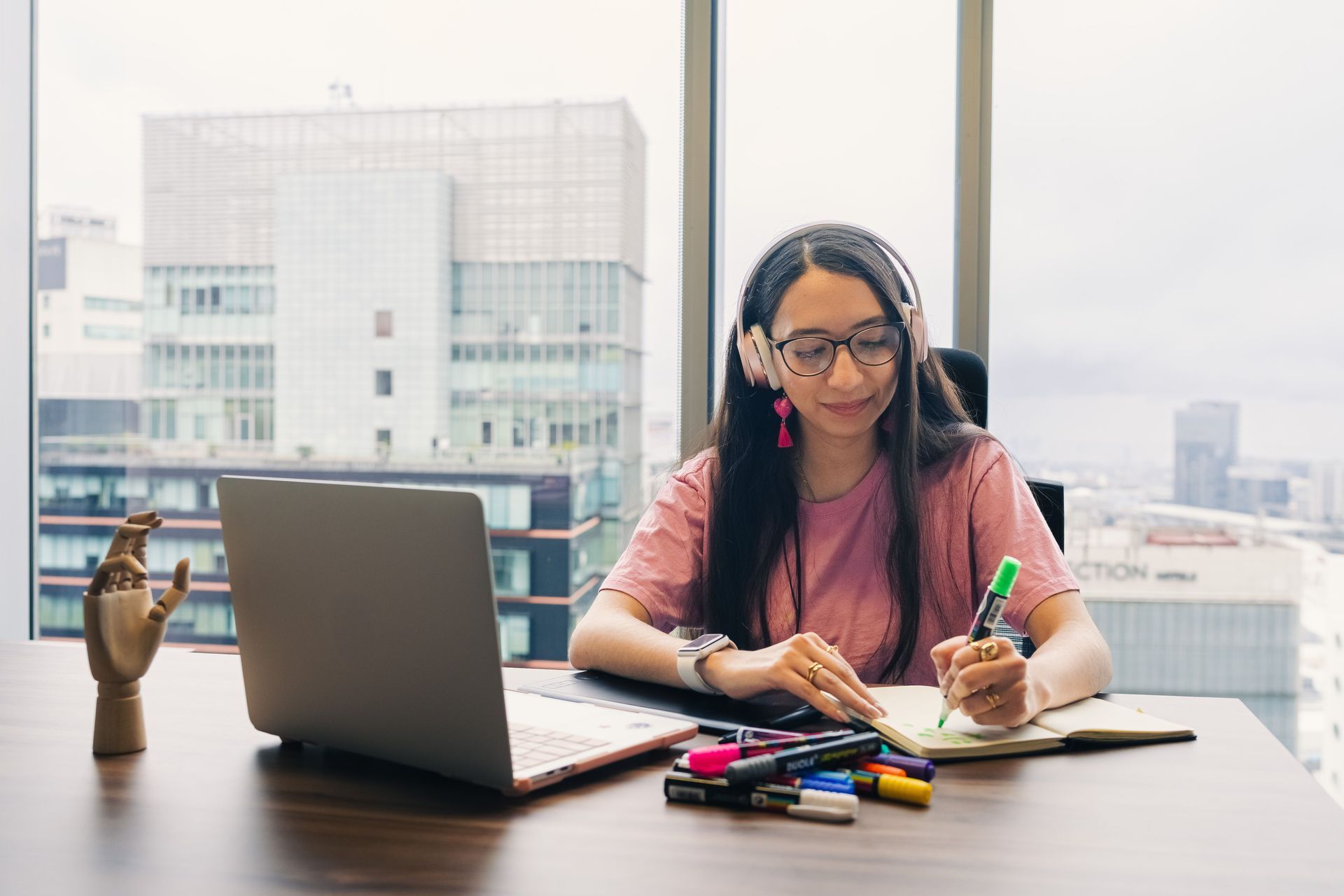
Woman with ADHD using headphones and color-coded notes to stay focused at her desk
By Katherine Illgen June 15, 2026
Learn how stimulants and non-stimulants work, plus evidence-based non-medication strategies for focus and regulation.
5 steps to setting healthy boundaries
By Katherine Illgen June 15, 2026
Stop over-explaining your boundaries. This five-step framework helps people pleasers and neurodivergent individuals set limits clearly and without guilt.
Dr. Who Themed Journal Prompts
By Katherine Illgen April 1, 2026
A Journey Through Time, Space, and Yourself
LOTR inspired journal prompts
By Katherine Illgen March 30, 2026
LOTR inspired writing prompts that help you know yourself
A man is sitting on a couch talking to another man.
October 16, 2024
Adolescence is a period of transition and self-discovery, marked by physical, emotional, and cognitive changes. It's no surprise that anxiety often becomes a companion during these turbulent years. Anxiety can manifest in various forms and intensities, impacting teens' daily lives, relationships, and overall well-being. In this blog, we'll explore anxiety in teens, its causes, effects, and strategies to help adolescents manage and cope with it, with a specific focus on the impact of social media. I. The Growing Epidemic Anxiety disorders are the most common mental health issue affecting teens today. The Anxiety and Depression Association of America reports that approximately 31.9% of adolescents aged 13-18 experience an anxiety disorder at some point in their lives. Several factors contribute to this growing epidemic, including academic pressures, social expectations, and the prevalence of social media, which can lead to constant comparison and fear of missing out. II. Effects of Anxiety on Teens Academic Struggles: Teens with anxiety often find it challenging to concentrate in class, study effectively, or perform well in exams. Fear of failure and perfectionism can be particularly detrimental to academic performance. Social Isolation: Anxiety can lead to social withdrawal and difficulty forming and maintaining relationships. Teens may avoid social situations, even if they want to participate, due to fear of judgment or criticism. Physical Health: Anxiety can manifest physically, causing symptoms such as headaches, stomachaches, muscle tension, and sleep disturbances. These physical symptoms can further exacerbate anxiety. Emotional Impact: Teens with anxiety may experience intense emotions, such as irritability, frustration, and sadness. They may also have low self-esteem and difficulty regulating their emotions. Future Outlook: Unmanaged anxiety in adolescence can have a lasting impact on a teen's future. It can hinder personal and professional growth, as well as increase the risk of developing other mental health issues. III. The Role of Social Media Comparison Culture: Social media platforms often create a culture of comparison. Teens see curated and idealized versions of their peers' lives, leading to unrealistic expectations and self-comparisons, which can fuel anxiety. Cyberbullying: Cyberbullying on social media platforms is a pervasive issue among adolescents. It can cause severe emotional distress, leading to anxiety and depression. Often teens are scared to report cyberbullying for fear of retaliation, and parents often feel helpless to stop it. Fear of Missing Out (FOMO): The constant stream of social activities and events on social media can lead to a fear of missing out, causing anxiety in teens who feel they must always be online and engaged. This makes it increasingly difficult for teens to step away from their devices. Online Validation: Teens may derive their self-worth from likes, comments, and shares on social media. When these external validations are lacking, it can lead to feelings of inadequacy and anxiety. IV. Coping Strategies Open Communication: Encouraging open communication with teens is crucial. Creating a safe space where they can talk about their experiences on social media and their fears and worries can help reduce the emotional burden. Seek Professional Help: If anxiety is interfering with a teen's daily life, it's essential to seek professional assistance. Therapists, counselors, and psychiatrists can provide strategies and treatment options tailored to the individual's needs. Mindfulness and Relaxation Techniques: Teaching teens mindfulness and relaxation exercises can be empowering. These techniques can help manage anxiety symptoms and promote emotional regulation, even in the face of social media pressures. Encourage Healthy Lifestyle Choices: Regular exercise, a balanced diet, and adequate sleep are essential for managing anxiety. Encouraging healthy lifestyle choices can help teens build resilience against the impact of social media. Limit Screen Time: Reducing exposure to the constant comparison and cyberbullying that can occur on social media platforms is essential. Promote digital detox and limit screen time to create a healthier balance. Build Resilience: Help teens develop resilience by encouraging problem-solving skills and the ability to cope with failure. This can reduce the fear of making mistakes and boost self-confidence, making them less susceptible to the negative effects of social media. Conclusion Anxiety among teens is a serious concern, and the role of social media in exacerbating this issue cannot be ignored. By understanding the causes and effects of anxiety and the specific impact of social media, parents, teachers, and caregivers can support adolescents in their journey to navigate this challenging period. Building resilience and providing a supportive environment can help teens develop the skills they need to thrive despite the storms of anxiety, both in real life and online.
Show More

Reclaim Your Peace Of Mind

Book your free consultation now and discover the support you deserve.

Katherine Illgen, LCSW, CCTP, C-DBT

I am a Certified Clinical Trauma Professional, Certified-DBT professional, and have received intensive training in Prolonged Exposure Therapy and Exposure and Ritual Prevention.  I utilize several techniques to create a custom solution to each client’s individual needs. I am LGBTQ+ affirming, culturally competent, and work with individuals in non-traditional relationships (open, poly, etc). 


I have helped individuals with depression, anxiety, bipolar disorder, PTSD and other trauma related issues, personality disorders, family relationship issues, adjustment disorders, self-harming, and self-esteem problems.


My passion and expertise is in helping individuals diagnosed with PTSD, OCD, and Anxiety-related disorders. I work virtually in Indiana, Ohio, Virginia and Florida. Book a free consultation and let's start working towards your better tomorrow.